

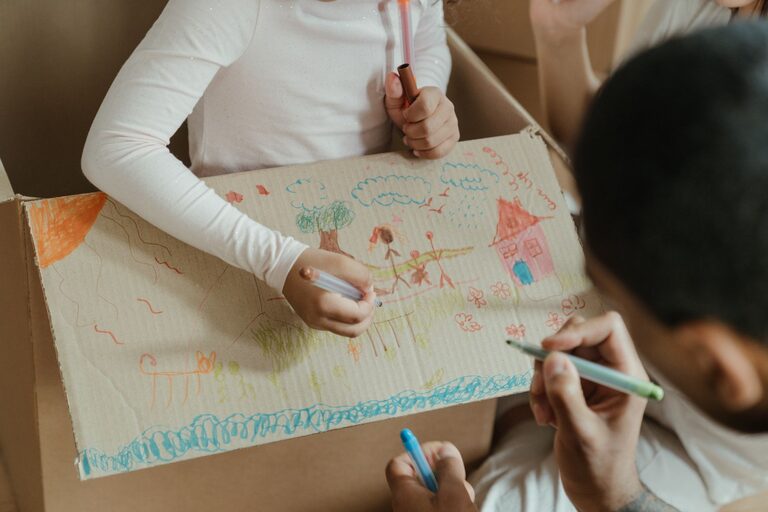
Children’s artwork is a wonderful expression of their creativity and imagination. From finger paintings to colourful drawings, these masterpieces can quickly pile up and create clutter if not managed properly. Keeping kids’ art organised not only helps preserve these precious memories but also encourages a sense of pride and accomplishment in your little ones. Here are some practical tips to help you keep your children’s art neat, tidy, and well curated.
Why Organising Kids' Art Matters
Before diving into the tips, it’s important to understand the benefits of organising your children’s artwork:
– Preservation: Protects art from damage and loss.
– Enjoyment: Makes it easy to display and enjoy the pieces.
– Clutter control: Keeps homes tidy and manageable.
– Encouragement: Shows children their work is valued.
With these benefits in mind, here are some strategies to organise kids’ art effectively.
Create a Dedicated Art Space
Setting up a specific area in your home for art activities and storage helps contain the mess and gives your children a place to showcase their works.
Ideas for an Art Space:
– A corner of a room with a small table and chair.
– A wall with clipboards or a corkboard to pin recent pieces.
– Shelves or cupboards nearby for supplies and finished work.
Having a dedicated space makes it easier to keep related items organised.
Use Storage Solutions Suited to Your Needs
Choosing the right storage depends on the volume of art and how you want to keep it. Here are some options:
Portfolios and Binders
– Large art portfolios with clear sleeves are ideal for flat pieces like drawings and paintings.
– Plastic binders with sheet protectors can organise smaller items and keep them safe.
Filing Cabinets and Boxes
– Labelled file folders or boxes help sort artwork by date, type, or child.
– Portable options make it simple to move or store art away when needed.
Digital Storage
– Photograph or scan artwork to create a digital archive.
– Use apps and online services designed to store and organise kids’ art.
– This method saves physical space and allows easy sharing with family.
Rotate and Display Art Regularly
Displaying children’s creations boosts their confidence. However, space is limited, so rotating pieces keeps the display fresh and manageable.
Ways to Display Art:
– Use frames or clipboards on a feature wall.
– Create a gallery string with clothespins for easy swapping.
– Pin art onto a magnetic board or corkboard.
Set a schedule, such as monthly or seasonal rotations, to keep the display current.
Encourage Your Child to Participate
Making organisation a team effort teaches children responsibility and respect for their work.
– Involve them in choosing which pieces to keep or discard.
– Let them help label files or decide how to display art.
– Praise their efforts and explain why organisation matters.
This can foster valuable life skills and motivate them to maintain tidiness.
Repurpose and Share Artwork
To avoid accumulating every single piece, consider creative ways to repurpose or share art.
Ideas Include:
– Creating personalised greeting cards or gift wrap.
– Turning favourite pieces into photo books or calendars.
– Donating art to grandparents or family friends.
– Using artwork for craft projects such as bookmarks or decorations.
Repurposing gives new life to creations while controlling the quantity kept.
Establish a System for New Artwork
Having a clear process helps manage incoming art without adding stress.
Simple Steps to Follow:
- **Review each new piece** with your child soon after it is made.
- **Decide whether to display, store, digitise, or recycle it**.
- **Label and file artwork promptly** to prevent pile-ups.
- **Set regular decluttering times**, such as at the end of each school term.
Consistency is key to maintaining order over time.
Protect and Preserve the Most Special Pieces
Some artworks are particularly meaningful and deserve extra care.
– Use acid-free storage materials to prevent damage.
– Frame very special pieces under glass.
– Avoid folding or rolling delicate paper art.
– Consider professional preservation services for treasured items.
Taking these precautions ensures your child’s masterpieces last for years.
Conclusion
Organising your children’s artwork may seem daunting at first, but with a few practical steps, it can become a straightforward and enjoyable process. By creating designated art spaces, using suitable storage solutions, involving your child, and regularly reviewing artworks, you can maintain a clutter-free environment while cherishing your children’s creativity. Remember, it’s not about keeping everything but valuing the memories and encouraging your kids to express themselves freely.
Happy organising!